
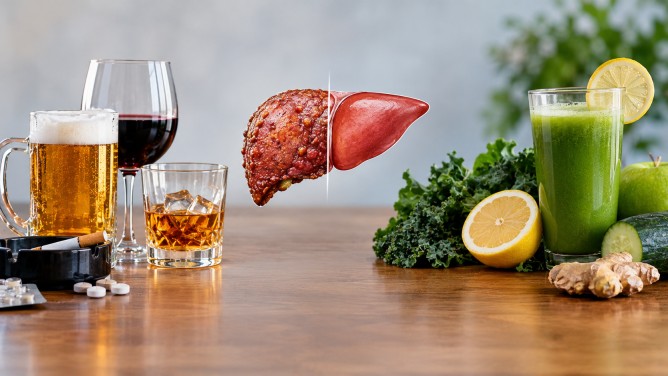
Despite widespread claims, detox drinks and cleansing diets have not been proven effective in reversing alcohol-related liver damage. The liver, which is responsible for metabolizing alcohol, can suffer from fat accumulation, inflammation, and potentially irreversible scarring due to prolonged alcohol consumption. While the liver has a natural ability to repair itself, the extent of recovery largely depends on early intervention and the severity of the damage.
Alcohol consumption leads to the production of harmful substances that can damage liver cells, causing inflammation and fat buildup. If alcohol use continues, it can result in the development of scar tissue, which impairs the liver’s functions. Initially, ceasing alcohol consumption can improve conditions like fatty liver, but persistent use can escalate to more severe issues such as alcohol-related hepatitis and advanced liver disease.
Some individuals may experience symptoms such as fatigue, nausea, decreased appetite, and jaundice, which warrant medical evaluation. Long-term liver inflammation can lead to fibrosis, where scar tissue replaces healthy liver tissue, and eventually progress to cirrhosis. While some liver damage can improve with treatment and alcohol cessation, advanced scarring may not be reversible, emphasizing the importance of early medical assessment.
Detox drinks, often made with ingredients like lemon and herbs, are marketed as solutions for liver cleansing. However, there is no scientific evidence supporting their ability to repair liver damage or reverse scarring. The liver naturally processes substances that need elimination, and special detox regimens are unnecessary. In some cases, herbal products may even cause liver injury.
Key steps in supporting liver recovery include abstaining from alcohol, seeking medical guidance, and adopting healthy lifestyle habits. A balanced diet rich in vegetables, fruits, whole grains, proteins, and healthy fats supports overall health and can help mitigate the effects of alcohol on the body. Managing other health conditions, such as diabetes and high blood pressure, can also reduce additional risks to the liver.
It is crucial to be cautious with supplements, avoiding those that promise rapid detoxification or liver repair. Before using herbal supplements or medications, individuals should consult healthcare professionals, particularly if liver disease is suspected. Regular medical check-ups can aid in assessing liver health through blood tests and other investigations, and early diagnosis is key to effective treatment and reducing complications.
Ultimately, liver recovery is a gradual process that necessitates eliminating alcohol-related harm, maintaining a nutritious diet, and seeking appropriate medical care. While early-stage liver damage can improve, permanent scarring underscores the importance of timely intervention to safeguard long-term liver health.