
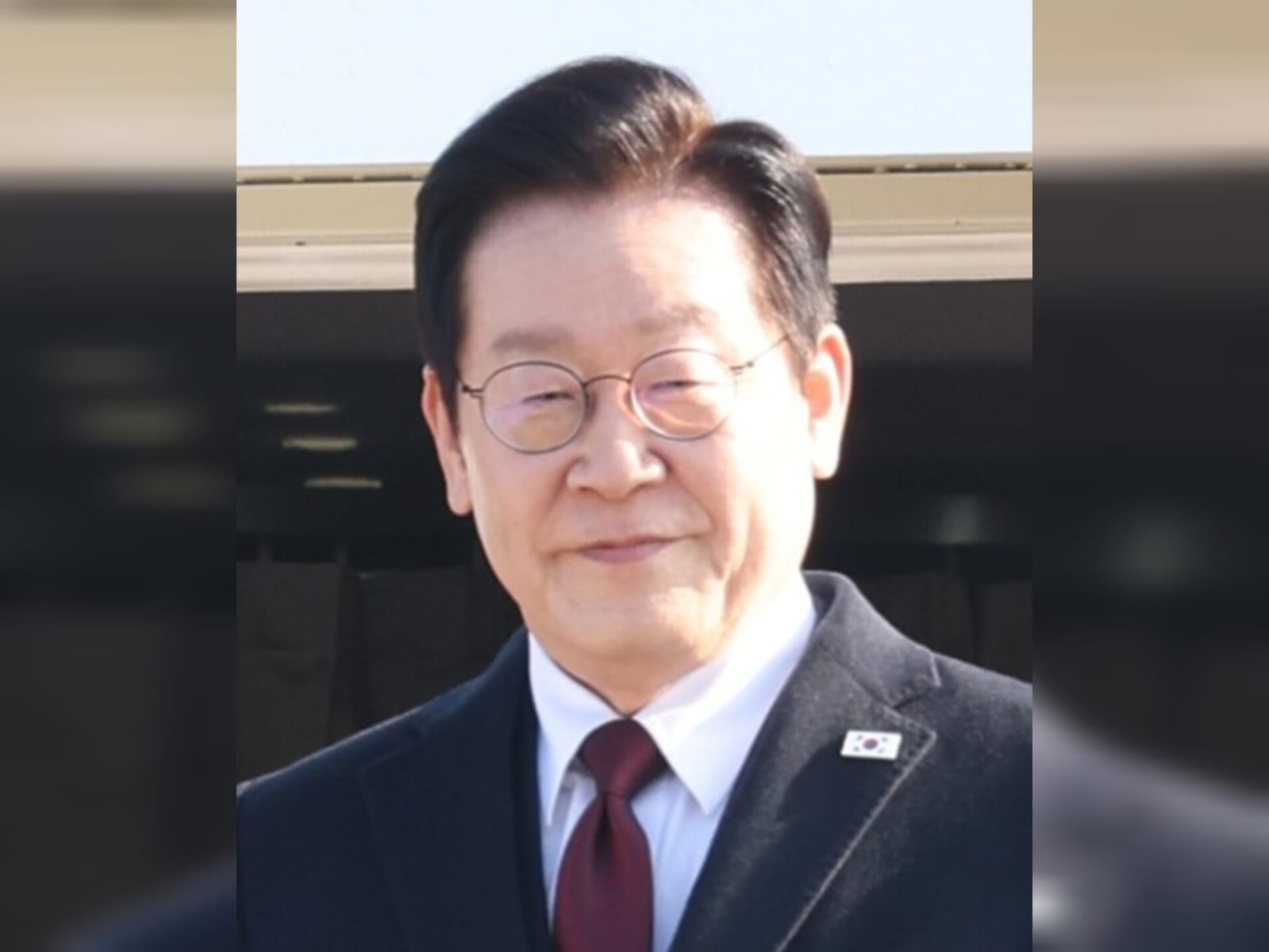
South Korean President Lee Jae Myung is poised to unveil a significant regional investment strategy next week, targeting advancements in artificial intelligence, semiconductors, advanced materials, batteries, and future mobility technologies. This strategic plan will be presented during a meeting scheduled for June 29, where Lee will engage with leaders from the nation’s largest conglomerates, including Samsung Electronics, SK Group, Hyundai Motor Group, and LG Group.
This initiative aligns with President Lee’s broader vision of fostering balanced national development by promoting investment in areas beyond the Seoul metropolitan region. To facilitate this, the government plans to introduce a series of incentives such as tax breaks, regulatory reforms, and support for essential services like electricity and water, along with workforce development initiatives. In response, participating companies are expected to outline their investment commitments during the meeting.
Leading up to this event, President Lee has been actively consulting with key business figures, including planned talks with Samsung’s Lee Jae-yong and recent discussions with SK Group’s Chey Tae-won. The administration’s strategy aims to create regional industrial hubs capable of attracting investments in AI and semiconductors, fostering stronger collaborations among universities, research institutions, startups, and suppliers. Officials anticipate that this plan could generate high-quality jobs and mitigate the trend of population migration toward Seoul.
Industry experts suggest that semiconductor projects outside the capital are likely to focus on advanced packaging and testing facilities rather than large-scale wafer fabrication plants, which are currently limited to established semiconductor clusters with robust infrastructure. This targeted approach could help overcome the challenges of labor shortages, permitting delays, limited infrastructure, and weaker supplier networks that businesses have previously encountered in regional development endeavors.
While past governments have attempted similar regional development strategies, the success of President Lee’s initiative will largely depend on the administration’s ability to provide practical support and create conducive conditions for long-term investment. Analysts emphasize the importance of delivering on promises to ensure that this latest push achieves its intended goals and attracts substantial corporate commitment.