
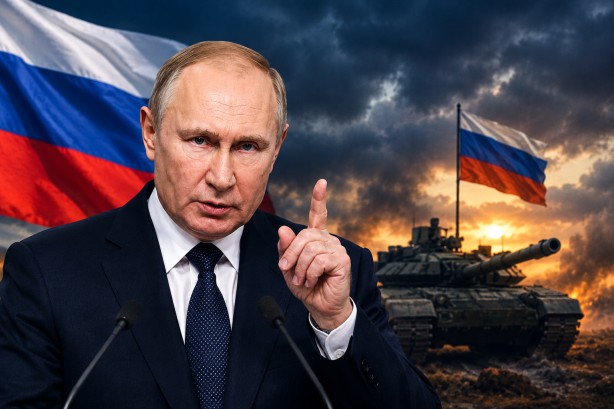
Russia has issued a stern warning to the United Kingdom, threatening potential retaliation due to the UK’s ongoing military support for Ukraine. This warning particularly highlights the possibility of Russian strikes on military targets both within and outside of Ukraine. Tensions have escalated following reports of the UK’s plans to grant Ukraine access to classified technology, which would aid in the domestic production of long-range Storm Shadow cruise missiles. Russia has criticized both Britain and France, accusing them of “playing with fire” by backing Kyiv.
The situation is further complicated by recent reports of CIA Director John Ratcliffe’s visit to Moscow, where he reportedly cautioned Russian authorities against launching any attacks on NATO territory. U.S. intelligence agencies have expressed concerns about Russia potentially challenging NATO through limited military actions, cyberattacks, or other hybrid warfare tactics. Despite these concerns, the Kremlin has dismissed allegations that it plans to attack a NATO member, labeling such claims as inaccurate.
As these diplomatic tensions rise, incidents involving cyberattacks, drone activities, and other hybrid warfare tactics have been reported more frequently across Europe, raising alarms over Russia’s intentions. In response, NATO members that share borders with Russia are bolstering their military preparedness to counter any potential threats. These actions underscore the growing apprehension about Russia’s strategies, especially as the conflict in Ukraine persists.
Overall, the developments highlight the increasing strain between Russia and Western nations, particularly as the war in Ukraine drags on. The possibility of Russia testing NATO’s resolve through various means has led to heightened vigilance and a strengthening of defenses among European nations. The international community remains watchful, seeking to prevent any escalation that could further destabilize the region.