
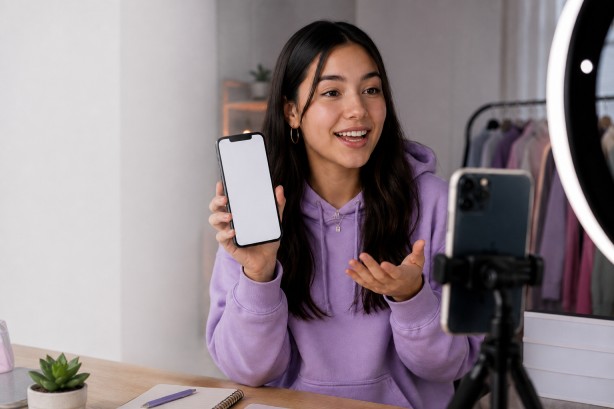
Meta is actively engaging parenting, lifestyle, and mental-health influencers to advocate for Instagram’s teen safety features amid global discussions on imposing stricter rules for children’s social media access. By orchestrating events and sponsoring influencer content, Meta seeks to underscore the significance of its Teen Accounts, which provide additional restrictions and parental controls for users aged 13 to 17.
In a strategic move in Australia, Meta organized an event for parenting influencers prior to the implementation of the country’s under-16 social media restrictions. Influencers were prompted to highlight the company’s safety tools and argue against blanket bans as the sole method to safeguard young users. The Tech Transparency Project reports that Meta has executed similar initiatives in countries such as Indonesia and India, notably when governments were contemplating age restrictions. Some influencers were financially compensated for promoting these safety features, while Meta also collaborated with organizations that benefit from its financial backing.
Meta insists that its primary objective is to ensure parents comprehend the protections available for teenagers. The company cautions that blanket bans could inadvertently drive young users towards less regulated online platforms. Instagram’s Teen Accounts feature limitations on who can contact teenagers, restrictions on sensitive content, and parental supervision tools. Nonetheless, critics claim these measures fall short of entirely shielding young users from harmful material.
The ongoing debate emerges as governments increasingly mull over age verification, parental controls, and outright restrictions on children’s social media usage. Australia has already enacted an under-16 social media ban, with other countries contemplating similar actions. The effectiveness of such restrictions remains contentious. Opponents argue that enforcement is challenging and could restrict young people’s access to information and online interaction, whereas child-safety advocates contend that social media companies have yet to adequately protect teenagers.
This escalating discourse places mounting pressure on Meta and other technology firms to prove their platforms can offer substantive protection for younger audiences. As governments worldwide scrutinize the adequacy of current measures, Meta’s proactive approach in utilizing influencers reflects its effort to navigate the complex landscape of digital safety for teens.