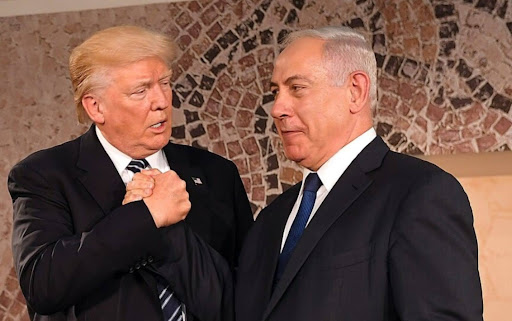
Director of National Intelligence Tulsi Gabbard’s congressional testimony acknowledging that US President Donald Trump and Israeli Prime Minister Benjamin Netanyahu have different objectives in the Iran conflict may ultimately be recognized as a significant turning point in how the campaign is publicly understood and officially managed. By putting the divergence on the congressional record — in the words of the nation’s most senior intelligence official — she elevated it from observable inference to official fact, with implications for how both governments must now address it.
The significance of putting things on the congressional record should not be understated. Official acknowledgment before Congress creates accountability that unofficial statements do not. It cannot be walked back without a separate, equally official correction. It becomes part of the permanent record that journalists, historians, and policymakers reference. Gabbard’s testimony set a new baseline for public discussion of Trump-Netanyahu strategic alignment — one that acknowledges divergence rather than insisting on unity.
The testimony also provides a new reference point for congressional oversight of the campaign. Members of Congress who want to scrutinize the conduct of an alliance with acknowledged different objectives now have official grounds for doing so. The testimony created accountability mechanisms for the divergence between Trump and Netanyahu that previously existed only as inference.
For both governments, the testimony creates specific pressures. Both must now address the divergence more directly than they had previously. The official denial of different objectives is no longer available. The management challenge has changed from “maintain the unity narrative” to “explain how Trump and Netanyahu are managing their different objectives coherently.” That is a harder and more honest management challenge.
Whether Gabbard’s testimony leads to more substantive strategic alignment discussions between Trump and Netanyahu — or whether it is simply absorbed into the existing pattern of managed divergence — will determine its ultimate significance. It was, at minimum, a moment of unusual official candor that changed the terms of the public debate about one of the most consequential military alliances in the world today.