For decades, Mojtaba Khamenei was one of the most powerful men in Iran that most Iranians had never heard of. That changed on Sunday when the Assembly of Experts formally named the 56-year-old cleric as the country’s new supreme leader, following the death of his father in a US-Israeli strike. Mojtaba’s rise from a figure who operated entirely in the background to the head of one of the world’s most consequential states is a story of patient, deliberate accumulation of power.
Born in 1969 in Mashhad, Mojtaba was educated in Qom’s theological seminaries and reportedly served in the final phase of the Iran-Iraq war. He returned from that experience to join the ranks of those managing access to his father’s growing authority, gradually establishing himself as a gatekeeper and power broker. His relationship with the IRGC was especially crucial — he cultivated alliances with commanders who now control Iran’s military and intelligence apparatus.
His political profile sharpened during the 2009 presidential election crisis, when reform-minded Iranians took to the streets to challenge a disputed result. Mojtaba was widely reported to have supported the crackdown that followed the protests, aligning him firmly with the hardline faction within the republic. He has never publicly commented on these events, maintaining the opacity that has defined his public persona.
The regime’s core institutions expressed loyalty to Mojtaba within hours of his appointment. The Revolutionary Guards, parliament’s leadership, and the armed forces command all issued statements of support. Senior security official Ali Larijani praised the new leader’s ability to guide Iran through a challenging moment. The speed and breadth of these endorsements suggested the regime had been preparing for this transition behind closed doors for some time.
Whether Mojtaba Khamenei can lead Iran effectively remains a genuine open question. He enters the role with substantial informal power but no track record of governance. The country he inherits is under military siege, economically strained, and politically uncertain. His first decisions as supreme leader will be scrutinized intensely — by his own people, by regional rivals, and by a world trying to determine whether Iran will escalate, negotiate, or fracture.
Inside the Rise of Mojtaba Khamenei: Iran’s New Leader From the Shadows
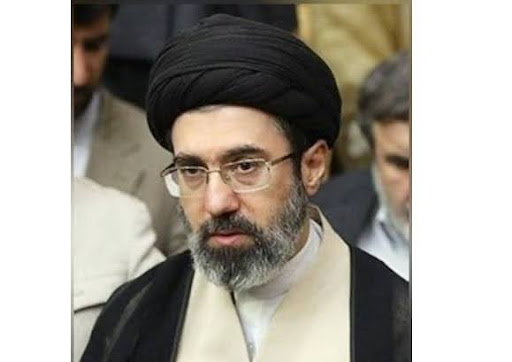
Picture Credit: Mahmoud Hosseini / Tasnim News Agency via Wikimedia Commons
40