
The world’s major oil-producing nations are warning of an imminent total production shutdown if the Iran conflict continues, a prospect that has driven Brent crude past $90 a barrel and sent financial markets into a tailspin. Qatar’s energy minister has been the most explicit, warning that continued fighting could force all Gulf energy exporters to halt production within weeks and push oil to $150 a barrel.
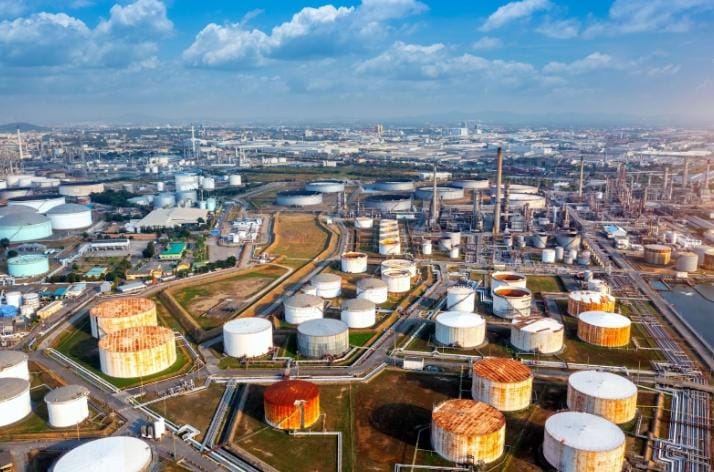
The warning is being taken seriously because it is grounded in physical reality. Kuwait has already begun reducing output at fields where storage tanks are full, and energy consultants estimate Saudi Arabia and UAE face the same situation within 20 days. With tanker traffic through the Strait of Hormuz severely disrupted by the conflict, the usual outlets for excess oil production have been blocked, leaving producers with nowhere to send their output.
The shutdown threat carries a particular sting because of the difficulty of restarting production once it has been halted. Oil wells cannot simply be switched back on at the flick of a button — the process of resuming operations after a shutdown is expensive, technically complex, and can take weeks. This means that any supply reduction forced by the current crisis could outlast the crisis itself, keeping the market tight for months after any ceasefire.
Qatar is already living the consequences of this disruption. A drone attack on a key LNG terminal has knocked out a significant portion of the country’s export capacity, and the energy minister has warned it will take weeks or months to restore full operations even after peace is established. Qatar supplies around 20% of global LNG, and its absence from the market has sent European gas prices surging to three-year highs.
Market fallout has been severe and wide-ranging. Stocks across Asia, Europe, and the UK fell sharply, with some indices recording their worst weeks since 2020. UK bond yields hit their highest levels in years and rate cut expectations evaporated overnight. Airlines, refiners, and manufacturing companies bore the brunt of the stock market losses, while the broader inflation outlook darkened considerably.
Gulf Producers Warn of Total Shutdown as Oil Prices Blast Past $90 Mark
Picture Credit: www.freepik.com
47