
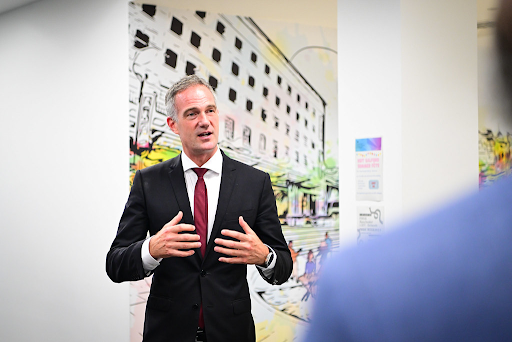
The future of the Alan Turing Institute, the UK’s flagship AI research facility, is set to be heavily influenced by defence and security priorities, following a strong directive from Technology Secretary Peter Kyle. Kyle’s letter to ATI’s chair demands a significant reorientation of the institute’s work towards national security and the development of “sovereign capabilities” in AI, potentially sidelining its existing focus on health and the environment.
This strategic pivot is a direct challenge to ATI’s “Turing 2.0” strategy, which the government has deemed inadequate for its evolving national requirements. The Technology Secretary has underscored the importance of forging stronger relationships with the UK’s security, defence, and intelligence communities, aiming to embed AI more deeply within these critical sectors.
Furthermore, Kyle indicated that leadership changes at ATI would be necessary to effectively implement this new vision. He stressed the importance of an executive team possessing relevant background and sector knowledge in defence and national security, suggesting a desire for leadership that is specifically aligned with the government’s new priorities. This comes as ATI navigates a challenging period of restructuring.
The government’s financial muscle, represented by a recent £100 million funding deal, provides significant leverage for these demands, with a potential review of this funding arrangement hinted for next year. This strategic shift for ATI aligns with the UK government’s broader AI strategy, exemplified by the renaming of the AI Safety Institute to the AI Security Institute, reinforcing the national emphasis on AI’s security applications.
Alan Turing Institute’s Future: Defence and Security Focused?
Picture credit: www.flickr.com
50